By: Muhammad Dabir Uddin (A Practitioner of Homeopathic Medicine) Introduction: Stress: The word ‘stress’ is derived from French word ‘estrecier’ meaning ‘to tighten’ and is a process which is normal part of our lives. It is the body’s normal response to a real or perceived threat. The only person free from stress is a […]

By: Muhammad Dabir Uddin
(A Practitioner of Homeopathic Medicine)
Introduction:
Stress: The word ‘stress’ is derived from French word ‘estrecier’ meaning ‘to tighten’ and is a process which is normal part of our lives. It is the body’s normal response to a real or perceived threat. The only person free from stress is a dead one (Montgomery). We get stressed at some time in our working life or home life, some more than others. The way we deal with stress is the main difference that separates us, and the degree to which we are affected is also a major variable. Not only stress can affect our activity to work, consequently affecting our business, but more importantly our health. Repeated stressful situations put a strain on the body that may contribute to physical and psychological problems. Chronic (long-term) stress can have real health consequences and should be addressed like any other health concern.
Stress is different for each of us. What is stressful for one person may or may not be stressful for another; each of us responds to stress in an entirely different way. Modern life is full of hassles, deadlines, demands & frustrations. For many people, stress is so common that it has become a way of life.
Each year, businesses lose a substantial amount of money due to stress related illnesses at work. Stress reduction has become one of the top priorities for the Health and Employers.
What is Stress?
Stress is a feeling that is created when we react to particular events. It can be caused by both good and bad experiences. When people feel stressed by something going on around them, their bodies react by releasing chemicals into the blood. These chemicals give people more energy and strength, which can be a good thing if their stress is caused by physical danger. But this can also be a bad thing, if their stress is in response to something emotional and there is no outlet for this extra energy and strength.
When we sense danger – whether it’s real or imagined – the body’s defenses kick into high gear in a rapid, automatic process known as “Fight or Flight” reaction, or the stress response. It is the body’s way of rising to a challenge and preparing to meet a tough situation with focus, strength, stamina and heightened alertness.
Stress is defined as ‘the interaction between our coping skills and our environment’. It refers to any demands, whether negative (unpleasant) or positive (pleasant) that require some kind of physical or emotional adjustment (Burns).
Stress is any emotional, physical, social, economic, or other factor that requires a response or change (Mosby’s Dictionary of Medicine, Nursing & Health Professions).
Stress is a disturbing physiological or psychological influence which produces a state of severe tension in an individual (The Macquarie Concise Dictionary).
Stress is a psychological and physiological reaction to some form of pressure being applied to the individual. Individuals convert pressure into stress according to their perceptions and personalities.
Stress can be defined as ‘a state of psychological and / or physiological imbalance resulting from the disparity between situational demands and the individual’s ability and / or motivation to meet those demands’.
Stress is the body’s reaction to a change that requires a physical, mental or emotional adjustment or response.
Stress is also defined as ‘an organism’s total response to environmental demands or pressures’.
What Causes Stress?
Many different things can cause stress — from physical (such as fear of something dangerous) emotional
(such as worry over your family or job). Identifying what may be causing the stress is often the first step
in learning how to better deal with stress. Some of the most common types of stress are:
Internal Stress:
This is internal stress and it is one of the most important kinds of stress to understand and manage. Internal stress is when people make themselves stressed. This often happens when we worry about things we can’t control or put ourselves in situations we know will cause us stress. Some people become addicted to the kind of hurried, tense, lifestyle that results from being under stress. They even look for stressful situations and feel stressed about things that aren’t stressful.
Environmental Stress: This is a response to things around that cause stress, such as noise, crowding, weather, pollution, traffic, crime and pressure from work or family. Identifying these environmental stresses and learning to avoid them or deal with them will help to lower the stress level.
Social Stress: we can experience multiple stress arising from the demands of the
different social roles we occupy, such as parent, spouse, caregiver, and employee. Some
examples include deadlines, financial problems, job interviews, demands for our time and attention, loss of a loved one, divorce, and co-parenting.
Fatigue and Overwork: This kind of stress builds up over a long time and can take a hard toll on body. It can be caused by working too much or too hard at your job(s), school, or home. It can also be caused by not knowing how to manage time well or how to take time out for rest and relaxation. This can be one of the hardest kinds of stress to avoid because many people feel this is out of their control.
Is Stress Always Bad?
Even though stress makes us feel uncomfortable, a growing body of research shows that stress is not always a bad thing or harmful to us. Sometimes stress is good for us and it can really help us to deal with tough situations. Up to a point, a certain amount of stress helps us to perform optimally. Without stress we would not get out of bed in the morning. Our perception about the levels of stress determines whether it is positive or negative stress. Most of the time our brain interprets and perceives situations as stressful, difficult, painful, or pleasant. Some situations in life are stress provoking, but it is our thoughts that determine whether they are problem for us.
Hans Selye, a pioneer researcher on stress refers to ‘Eutress’ (positive stress) and ‘Distress’ (negative stress). As all people are individuals and have differing perceptions and personalities they will cope with stress differently. An acute stress for short duration or manageable levels of stress for reasonable duration, can be positive or good for us as it motivates us to mobilize our resources.
Acute Stress actually enhances our immune function and improves the ability of the body to respond to infection or immunization. New research suggests that short term stress helps us to prevent cancer from returning, reduce the chance of heart-attack, boost the immune system & increase brain power. There are many triggers for good stress (i.e., receiving a promotion at work, marriage or commitment ceremony, buying a house) and it keeps us feeling alive and excited about life.
Most acute stresses that activate our ‘Fight or Flight’ response are considered to be good for us, for example, sitting for final exam, giving a speech, go on a first dating, etc.
However, prolonged stress is damaging to the body and may even cause death (Montgomery). A stress that is chronic or long term and brings about long term anxiety is considered to be bad for our immune system and general health. Anything that turns our life upside-down is bad stress, for example, stressful job, unhappy home life, having a long term disability, etc.
Physical and Mental Signs of Short-term Stress:
Short-term stress can affect your body in many ways. Some examples include:
• Making your heartbeat and breath faster
• Making you sweat more
• Leaving you with cold hands, feet, or skin
• Making you feel sick to your stomach or giving you ‘butterflies’
• Tightening your muscles or making you feel tense
• Leaving your mouth dry
• Making you have to go to the bathroom frequently
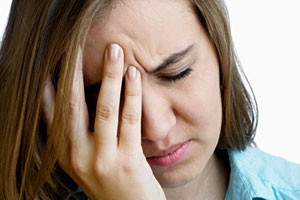
• Increasing muscle spasms, headaches, fatigue, and shortness of breath
Physical and Mental Signs of Long-term Stress:
Long-term stress or stress that is occurring over a long period of time can have an even greater effect on your body and mind. Long-term stress can affect your body by:
• Changing your appetite (making you eat either less or more)
• Changing your sleep habits (either causing you to sleep too much or not letting you sleep enough)
• Encouraging ‘nervous’ behavior such as twitching, fiddling, talking too much, nail biting, teeth grinding, pacing, and other repetitive habits
• Causing you to catch colds or the flu more often and causing other illnesses such as asthma, headaches, stomach problems, skin problems, and other aches and pains
• Affecting your sex life and performance
• Making you feel constantly tired and worn out
How Does Stress Affect?
Short-term stress: While this burst of energy may help you in physical situations where your body needs to react quickly, it can have bad affects on mind and performance. These affects may include:
• Interfering with your judgment and causing you to make bad decisions
• Making you see difficult situations as threatening
• Reducing your enjoyment and making you feel bad
• Making it difficult for you to concentrate or to deal with distraction
• Leaving you anxious, frustrated or mad
• Making you feel rejected, unable to laugh, afraid of free time, unable to work, and not willing to discuss your problems with others
It is widely known that prolonged stress is detrimental to our body. Uncontrollable, unmanageable and constant stress for a long time has far-reaching consequences on our physical and mental health.
Long term Physical Affects:
Some of the long term physical affects are; reduced immune response & predisposing the individual to infections (flu, etc), increase incidence of cancer, gastrointestinal disorders (peptic ulcer, colitis, etc), allergies, metabolic syndrome, increase number of accidents in workplaces, high blood pressure, heart disease, disturbed sleep pattern or insomnia, chronic headache, changes in weight either loss or gain and fatigue, etc.
Long term Psychological Affects:
Some of the psychological affects are; clinical depression, chronic anxiety state, panic attach, hypersensitivity, increase incidence of mental illness, withdrawal, outbreaks of inappropriate emotions, insomnia, personality changes, irritability, inability to concentrate or make decisions, addiction to drug, alcohol, cigarettes and recurrent thoughts of Death or Suicide, etc.
How to Deal or Manage the Stress:
There are a number of long-term strategies one can take to deal or manage stress including changing lifestyle, removing from stressful situations etc. Complete prevention of stress is neither possible nor desirable. Because the stress is an important stimulus of human growth & creativity, as well as inevitable part of our life. Stress is quite natural and we cannot eliminate it altogether. Instead, we have to learn how to ‘control’ or ‘manage’ stress to avoid the negative symptoms that we are threatened by. We are always worried about the chronic or long term stress (distress) that brings about long term affects in our life and makes our life upside-down.
To manage stress, we should know the ‘stressors’ at our workplace and home. The events that provoke stress are called stressors or the situations that are considered stress-provoking are known as stressors.
Some of the stressors at workplace are: Pressure of meeting deadlines, pressure of workload, continuous unreasonable performance demands, feeling of powerlessness, frustration of not being recognized for work achievement, concerns about being insufficiently trained to fulfill work role, traumatic event, threat of physical harm or danger, potential or actual threat to job security, difficulties in accommodating changes in the workplace, poor relationship with supervisor or colleagues, harassment/discrimination, inadequate staff, poor communication, poor performance, shift work, customers’ complain, long working hours, responsibilities & pressures disrupting life-balance (i.e. diet, exercise, sleep & rest, play, family-time), etc.
Some of the Stressors at home are: Misunderstanding between family members, particularly between husband and wife, strained relationship, misgivings & mistrust, lack of mutual consultation and co-operation in family affairs, financial problems, excessive demands, negative thoughts & feelings, frustrations & hopelessness, etc.
Stress can be managed at workplace and home taking following positive steps:
At Workplace – Effective communication, adequate staffing levels, reducing hazards, adequate training, management of aggression /harassment/bullying in work place, having the employees’ say in staff meetings, suggestion boxes & logbook, using problem solving and negotiation skills to effectively resolve problems in the workplace and improving the performance.
At Home – Adequate rest & regular sleeping pattern, healthy & balanced diet, regular exercise, healthy life-style, relaxation, meditation & massage, reducing smoking, alcohol & caffeine intake, , doing something enjoyable (hobbies, good reading, etc.) during leisure, being positive & reducing negative talks and thinking, using the time effectively with time management, developing a support system with family, friends & relatives, patience & tolerance, sacrificing mind and setting realistic goals.
The following are also some other stress reduction ideas that can help reduce stress:
1) Humor: Humor is one of the greatest and quickest devices for reducing stress. Humor works because laughter produces helpful chemicals in the brain and it distracts us having a stressed mindset. Distraction is a simple effective de-stressor.
2) Brisk walk: Go for a short quick really brisk walk outside. Change your environment, breathe in some fresh air and smell the atmosphere.
3) Rehydrate: Drink a bottle of water. Most of us fail to drink enough water (not tea, coffee, or any juice, just water). Dehydration increases our stress.
4) Catnap or Powernap: Take a quick nap. It is nature’s way of re-charging and re-energizing. A quick 10-30 minutes sleep is very helpful to reduce stress.
5) Make a Cup of Tea or Coffee: Make a cup of tea or coffee. Find a quiet place to sit. Focus your attention on drinking your tea or coffee. Any tea will do, but a flavored cup of tea is better. Relaxation with a cup of tea or coffee is also very helpful to reduce stress.
6) Crying: When we are stressed our body is filled with chemicals that affect our mood and feelings. After a good cry our body releases those chemicals through tears and we become more relaxed. Emotional cry releases many protein-based hormones – leucine enkephalin (a natural painkiller), prolactin and adrenocorticotropic hormone – that reduce our stress. Whatever the science behind crying, a good bout of sobbing & weeping does seem to reduce tension & stress for many people.
7) The relaxation response: It is a physical state of deep rest that changes the physical and emotional responses to stress.
8) Deep Breathing: Deep breathing releases tension from the body and clears the mind, improving both physical and mental wellness. We tend to breathe shallowly or even hold our breath when we are feeling anxious. Sometimes we are not even aware of it. Shallow breathing limits our oxygen intake and adds further stress to our body. Breathing exercises can help to reduce this stress.
These tips will not change the situation causing the stress, but they will, more importantly, enable us to change our reaction and relationship to the stressful situations. The key to de-stressing in the moment is getting away from or removing ourselves from the stressors. Developing new habits which regularly ‘remove us and distract us from stressors’ and stressful situations & pressure is essentially how to manage stress on a more permanent basis.
Conclusion:
Although stress can be managed by healthy and balanced diet, healthy life-style, regular exercise, removing ourselves from the stressors, having plenty of rest & regular sleeping pattern, relaxation and taking positive steps at workplace and at home, developing a support system, but the management of stress depends mainly on the ‘willingness’ of a person to make the changes necessary for a healthy life-style.
Natural Medicines, particularly ‘Homeopathic Ones’ are found to be very effective in Stress Management as well (writer’s own experience).
Ref:
Montgomery Physician Associates – Stress. http://montgomeryphysicianassociates.com/hl/?/2010815023/Stress (access May 2013)
Stress & Stress Management, Klinic Community Health Centre, Canada 2010
http://hydesmith.com/de-stress/files/StressMgt.pdf
Davis, M., Robbins Eschelman, E., & McKay, M. (1995). The Relaxation & Stress
Reduction Workbook. 4th ed. New Harbinger Publications. Oakland, CA.
Greenberger, D., & Padeshy, C. (1995). Mind Over Mood. Change How You Feel by
Changing the Way You Think. Guilford Publications. New York, NY.
For Further Suggestions and information:
Please Contact:
Muhammad Dabir Uddin, Homeopath, JP
Dip. Hom. Med; Sydney, Australia
A.I.N. Cert III; St. George TAFE, NSW
MATMS, NSW, Reg No- 18588
PH: 9758 9931
Mob: 0421 080 687
Email: m.dabir1953@gmail.com